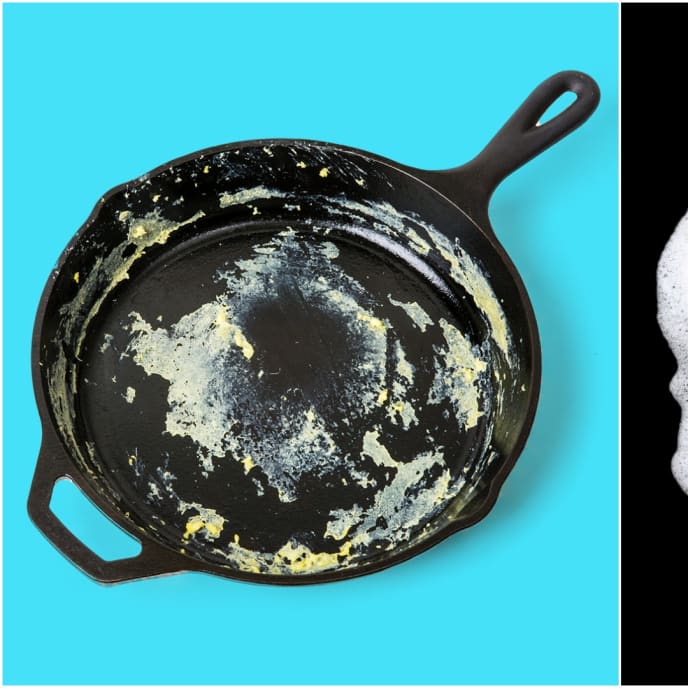
Can You Use Soap on Cast Iron? Myth-Busting for Your Cookware
Few kitchen topics ignite as much passionate debate as the proper care of cast iron cookware. For generations, whispers and warnings have been passed down, creating an almost sacred aura around these sturdy pans. At the heart of this fervor lies one particularly contentious question:
Can you use soap on cast iron? For many, the very thought is sacrilege, conjuring images of ruined seasoning and rusted surfaces. But what if we told you that much of this fear is rooted in outdated information and that modern dish soap is not the enemy it’s often made out to be?
The truth about
how to clean cast iron, especially concerning soap, is far simpler and less daunting than the internet — or your grandmother — might suggest. Cast iron is beloved for its incredible heat retention, natural non-stick properties (when properly seasoned), and longevity, often lasting for decades or even centuries. While it does require a specific approach to maintenance that differs from stainless steel or non-stick pans, it’s not nearly as fragile as some would lead you to believe. This article aims to cut through the myths, equip you with the facts, and provide clear, actionable advice on
how to clean cast iron effectively, ensuring your cherished cookware remains a workhorse in your kitchen for years to come.
The Great Soap Debate: Unpacking the Cast Iron Controversy
The "no-soap" commandment is arguably the most fiercely defended rule in cast iron circles. Approach a "no-soaper's" beloved skillet with a sudsy sponge, and you might just witness an emotional outburst. The reasoning often cited is that soap, being a powerful degreaser, will strip away the hard-earned seasoning that makes cast iron so special, leaving your pan vulnerable to rust and sticking.
It's an understandable concern, especially when you consider that seasoning is essentially baked-on fat. However, this perspective overlooks a crucial scientific detail:
polymerization. When you season a cast iron pan, you're not just coating it with fat; you're transforming it. The fat molecules, under high heat, break down and then bond together, creating a tough, non-stick, and incredibly durable layer that is molecularly bonded to the iron itself. This polymerized layer is no longer just "grease" in the traditional sense.
Think of it like this: a raw egg is liquid, but once you cook it, it becomes solid and its chemical structure changes. You can't turn a cooked egg back into a raw one just by washing it. Similarly, modern dish soaps, which are designed to be gentle on hands and cookware, simply aren't strong enough to break down this polymerized layer. If they were, they'd be stripping the finish off every other piece of cookware in your kitchen too! Indeed, the experts at Serious Eats regularly use soap on their cast iron pans, maintaining beautifully seasoned surfaces without issue.
Historically, older lye-based soaps were much harsher and could indeed damage seasoning. This historical context likely contributed to the enduring myth. However, today's dish detergents are formulated differently and pose no threat to a well-established cast iron seasoning. So, yes, you can confidently reach for that bottle of dish soap.
Understanding Your Cast Iron's "Seasoning"
To truly master
how to clean cast iron, it's essential to understand its cornerstone: the seasoning. As mentioned, seasoning isn't merely a coating; it's a profound transformation of fat into a protective, non-stick surface. This process of polymerization creates a resilient barrier that serves multiple critical functions:
*
Non-Stick Properties: A well-seasoned pan allows food to release easily, making cooking and subsequent cleanup a breeze.
*
Rust Prevention: The polymerized layer creates a shield, protecting the porous iron from moisture and oxygen, which are the primary culprits behind rust.
*
Flavor Enhancement: Over time, the seasoning deepens, contributing to the unique character and flavor profile that devoted cast iron users cherish.
While building a robust seasoning takes time and consistent use, it's far from delicate. Stripping away established seasoning requires extreme measures, such as:
* Aggressively scouring with highly abrasive materials like steel wool or sandpaper.
* Prolonged exposure to very high heat without any fat in the pan (e.g., leaving an empty pan on a roaring burner for an extended period).
* Soaking in potent chemical solutions like lye or oven cleaner.
* Electrolysis, often used for restoring heavily rusted antique pieces.
A little dish soap and a sponge simply don't compare to these methods. Your seasoning is much tougher than you think, designed to withstand the rigors of everyday cooking.
How to Clean Cast Iron: Practical, Myth-Busting Methods
Now that we've debunked the soap myth, let's dive into practical, effective ways for
how to clean cast iron, ensuring longevity and optimal performance. The key is thoroughness, immediate drying, and a little bit of care.
Method 1: The Soap and Sponge Approach (Yes, Really!)
For most daily cleaning tasks, this method is perfectly acceptable and highly effective.
1.
Cool Down: Allow your cast iron pan to cool down completely after cooking. Thermal shock from hot-to-cold can warp your pan.
2.
Scrape Off Large Bits: Use a flat metal spatula or a plastic scraper to gently remove any large food particles.
3.
Wash with Soap and Water: Add a small amount of mild dish soap to your pan, along with warm water. Use a non-abrasive sponge, nylon brush, or even a gentle chainmail scrubber for more stubborn bits. Scrub thoroughly to remove all food residue. Don't be afraid to apply a little elbow grease.
4.
Rinse Thoroughly: Rinse the pan under warm running water, ensuring all soap suds are gone.
5.
Dry Immediately and Thoroughly: This step is CRUCIAL. Moisture is cast iron's enemy. You can towel dry the pan, then place it on a stovetop over low heat for a few minutes until any residual moisture has evaporated.
6.
Light Re-Oiling (Optional but Recommended): Once the pan is bone dry and slightly warm, apply a very thin layer of high-smoke-point cooking oil (like vegetable oil, grapeseed oil, or flaxseed oil) to the entire cooking surface, inside and out. Buff it thoroughly with a paper towel until the pan looks dry and non-greasy. This creates an additional protective layer.
Method 2: The Salt Scrub (A Soap-Free Alternative)
For those who still prefer a soap-free approach, or for lighter cleaning where minimal residue is present, the salt scrub is an excellent option. It offers abrasive power without harsh chemicals. For a more detailed guide on this method, check out our article:
How To Clean Cast Iron Without Soap: The Simple Salt Method Guide.
1.
Cool Down: Ensure your pan has cooled down after cooking.
2.
Add Coarse Salt: Pour a generous amount (1-2 tablespoons) of coarse salt, such as Kosher salt, into the pan. The rough texture is key here.
3.
Scrub with Paper Towel: Using a crumpled paper towel, vigorously rub the salt around the pan's interior. The salt acts as a natural abrasive, scrubbing away stuck-on food bits without damaging the seasoning.
4.
Rinse and Dry: Rinse out the salt and any loosened residue. Immediately dry the pan thoroughly with a towel, then place it on low heat on the stovetop to ensure complete dryness.
5.
Re-Oil: While the pan is slightly warm, pour a small amount of cooking oil (e.g., olive oil as suggested by The Ranch Table) and use a fresh paper towel to rub it all over the inside surface. Buff until it looks dry to the touch.
General Best Practices for Cast Iron Care
Regardless of your chosen cleaning method, these overarching principles will help maintain your cast iron:
*
Avoid Prolonged Soaking: Never leave your cast iron pan to soak in water, as this can lead to rust.
*
No Dishwashers: The harsh detergents and prolonged wet environment of a dishwasher are guaranteed to strip seasoning and cause rust.
*
Heat Gently: When cooking, preheat your cast iron slowly and evenly. This prevents hot spots and helps maintain the seasoning.
*
Store Properly: Ensure your pan is completely dry before storing it. If stacking pans, place a paper towel between them to absorb any moisture and prevent scratching.
For more comprehensive tips on maintaining your cast iron, explore our guide:
Easy Cast Iron Cleaning: Ditch the Myths, Keep Your Pan Perfect.
When to Strip and Re-Season Your Cast Iron
While soap won't strip your seasoning, there are legitimate reasons why you might need to perform a full strip and re-seasoning. These include:
*
Severe Rust: If your pan has developed significant rust that normal cleaning can't remove.
*
Sticky or Gummy Seasoning: If your seasoning is uneven, flaking, or feels sticky, it might be improperly applied and needs to be redone.
*
Unknown History: If you acquire a used pan with an uncertain history or residue, a full reset is often a good idea.
In these cases, you would resort to methods like using steel wool or a lye bath to completely remove the old seasoning before building a fresh, new layer from scratch. But rest assured, a little dish soap during routine
cleaning cast iron is definitely not on this list of extreme measures.
Conclusion
The "no-soap" rule for cast iron is largely a relic of the past, perpetuated by misunderstanding and outdated practices. Modern dish soaps are perfectly safe for cleaning well-seasoned cast iron, and in fact, contribute to hygiene without harming the durable polymerized layer. Understanding the science behind seasoning empowers you to confidently approach
how to clean cast iron without fear. Whether you choose the reliable soap-and-sponge method or prefer a salt scrub, the ultimate goal is the same: a clean, dry, lightly oiled pan ready for its next culinary adventure. So, ditch the worry, embrace the versatility of your cast iron, and enjoy many years of delicious meals cooked in your beloved, properly maintained cookware.